Highlights
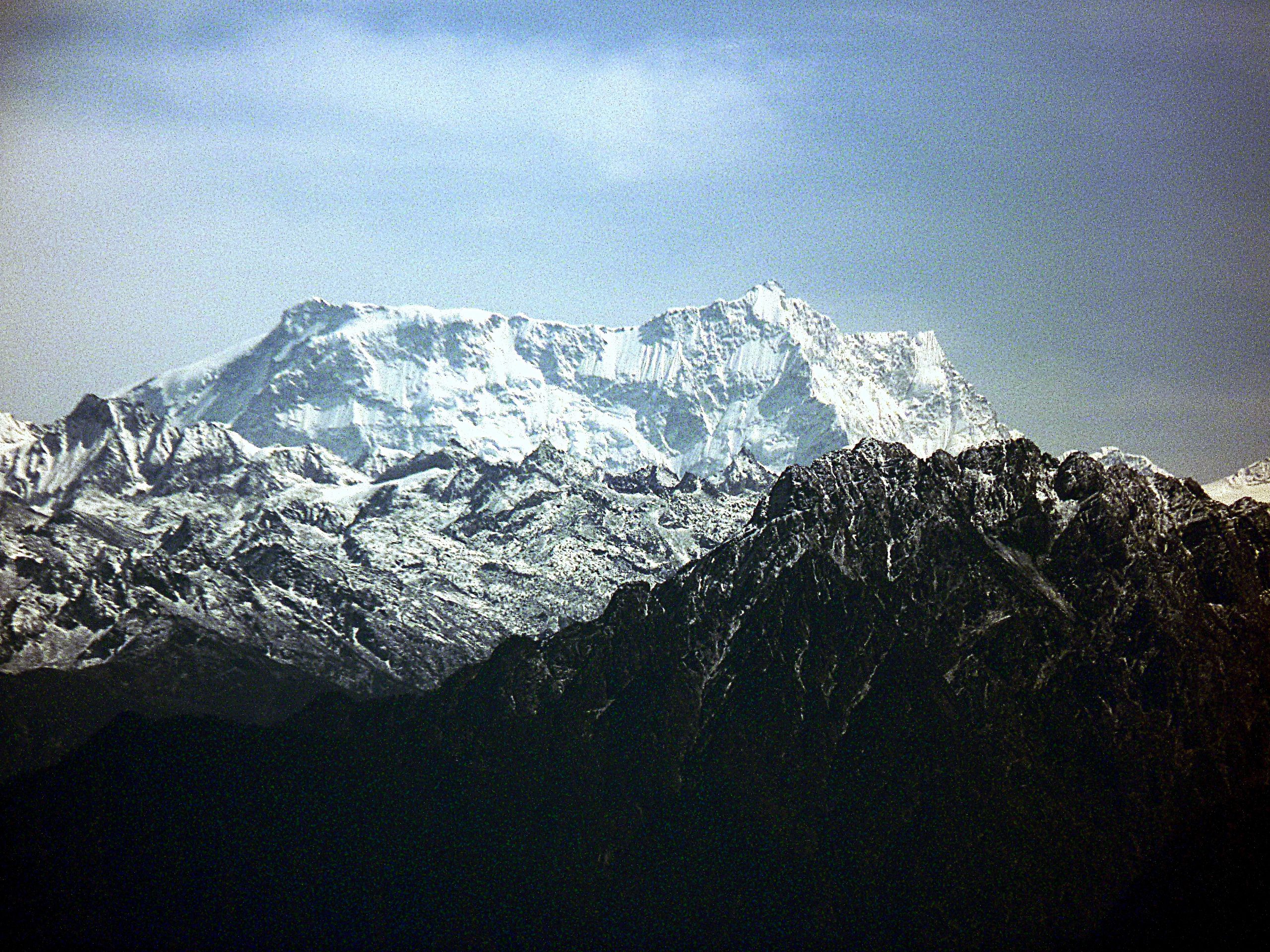
- Gangkhar Puensum Views
- Hot Prings at Duer Tsachu
- Trongsa Dzong
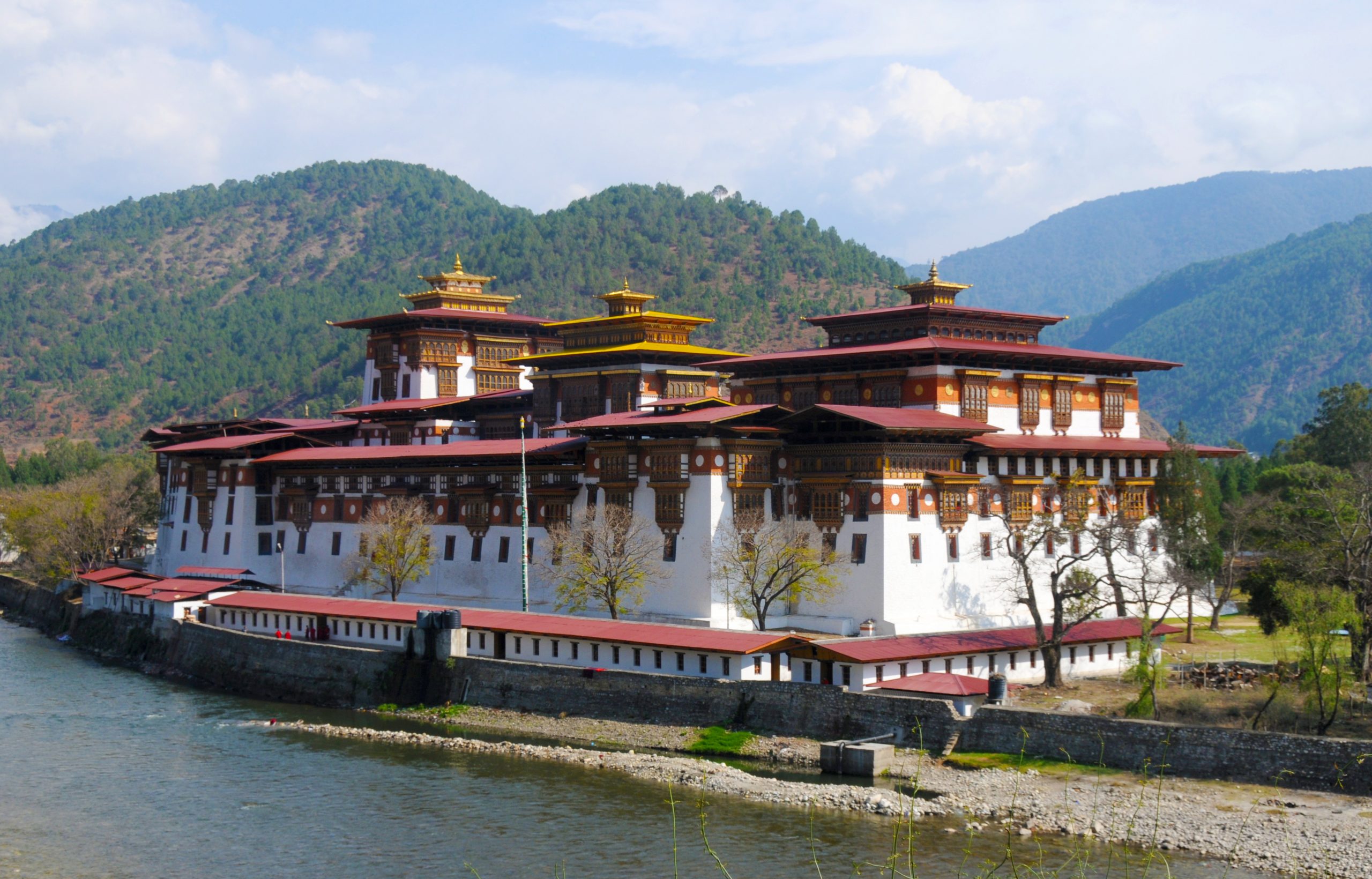
- Punakha Dzong
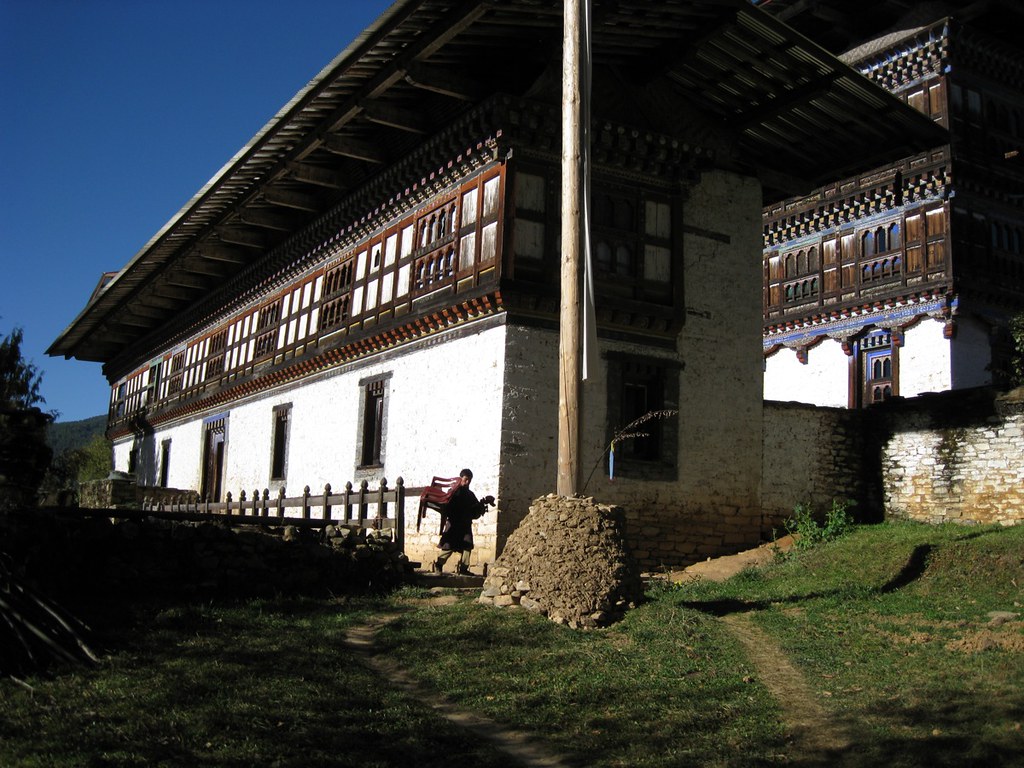
- Jakar Dzong
Map
Itineraries Expand all
- Day 1: Arrival in Paro
Arrive at Paro airport, where you will be greeted by a representative. After completing the arrival formalities, transfer to your hotel. In the evening, take a stroll around the town’s main street to get a feel of the local culture. Overnight at a hotel in Paro.
- Day 2: Paro Sightseeing
Spend the day exploring the cultural treasures of Paro. Begin with a visit to Ta Dzong, initially built as a watchtower in the 17th century and later converted into the National Museum of Bhutan in 1968. The museum houses an extensive collection of antique thangkha paintings, textiles, weapons, and armor. Next, visit Rinpung Dzong, a fortress that played a critical role in defending the Paro Valley against Tibetan invasions in the 17th century. In the afternoon, drive to Drukgyel Dzong, located at the end of the Paro Valley, and visit Kyichu Lhakhang, one of the oldest monasteries in Bhutan. Overnight at a hotel in Paro.
- Day 3: Paro to Thimphu
Drive to Thimphu, the modern capital of Bhutan. On the way, stop at Simtokha Dzong, the oldest fortress in Bhutan, built in 1629 by Zhabdrung Ngawang Namgyal. After arriving in Thimphu, visit the Memorial Chorten, built in 1974 in memory of the third King of Bhutan. Continue to the Traditional Medicine Institute, where Bhutanese traditional healing arts are practiced, and visit the Painting School, known for its thangkha paintings. End the day with a visit to Trashichho Dzong, “the fortress of the glorious religion.” Overnight at a hotel in Thimphu.
- Day 4: Thimphu to Trongsa
Today’s journey takes you across Dochula Pass, located at 3,050 meters. On a clear day, you can enjoy panoramic views of Bhutan’s highest peaks, including Gangkhar Puensum. Continue the drive to Wangduephodrang town, where you’ll stop for lunch, before proceeding to Trongsa via Pele La Pass at 3,300 meters. Overnight at a lodge in Trongsa.
- Day 5: Trongsa to Bumthang
Begin the day with a visit to the imposing Trongsa Dzong, the ancestral home of Bhutan’s royal family. Then, visit Ta Dzong, a watchtower built to guard the Trongsa Dzong. Afterward, drive to Bumthang and visit Jakar Dzong, built in the 17th century, and Kurjey Monastery, where Guru Padmasambhava meditated in the 8th century. End the day with a visit to Jambay Lhakhang, one of the oldest temples in Bhutan. Overnight at a lodge in Bumthang.
- Day 6: Bumthang to Gorsum
The trek begins today, covering 18 km over 7 hours. The trail follows the Chamkhar Chu River, passing through meadows and forests of blue pine. You’ll camp overnight at Gorsum, situated at an altitude of 3,120 meters.
- Day 7: Gorsum to Lungsum
Trek 12 km over 5 hours, ascending gradually through dense forests of spruce, hemlock, cypress, juniper, and maple. The trail can be muddy at times, and you’ll camp overnight at Lungsum, located at 3,160 meters.
- Day 8: Lungsum to Tshochenchen
Continue trekking through dense vegetation, covering 15 km in about 6 hours. As you climb higher, you’ll reach Tshochenchen, situated just above the tree line at 3,700 meters. Camp overnight here.
- Day 9: Tshochenchen to Duer Tsachu
Today’s trek is a challenging 17 km hike that takes 6-7 hours. The trail climbs steadily uphill, passing a small lake before reaching Juli La Pass at 4,700 meters. After crossing the pass, the trail descends to another lake before climbing again to Gokthong La Pass. You’ll finally descend through a dense forest to the hot springs at Duer Tsachu, where you’ll camp overnight at 3,550 meters. Keep an eye out for wildlife such as musk deer, blue sheep, and Himalayan bears along the way.
- Day 10: Duer Tsachu Halt
Spend the day relaxing and rejuvenating in the natural hot springs at Duer Tsachu, known for their healing properties. Enjoy the serene surroundings and take the day to recover from the previous days’ trek. Camp overnight near the hot springs.
- Day 11: Duer Tsachu to Tshochenchen
Begin the return journey with a 17 km trek back to Tshochenchen, covering the distance in 6-7 hours. The trail retraces the steps from the previous days, crossing Juli La Pass and descending to the campsite. Camp overnight at Tshochenchen.
- Day 12: Tshochenchen to Gorsum
Trek 18 km back to Gorsum, descending gradually through the dense forests. This is a long day, so it’s advisable to start early. Camp overnight at Gorsum.
- Day 13: Gorsum to Bumthang
On the final day of the trek, walk downhill until you reach Duer village. From here, follow the newly constructed motorable road to Bumthang. After completing the trek, relax at a lodge in Bumthang.
- Day 14: Bumthang to Punakha
After exploring the fascinating Bumthang Valley, drive to Punakha, covering a distance of 205 km in about 6 hours. Overnight at a hotel in Punakha.
- Day 15: Punakha to Paro
In the morning, visit Punakha Dzong, one of the most beautiful and significant fortresses in Bhutan. Then, explore Khamsum Yulley Namgyal Chorten, a stunning example of Bhutanese architecture. After lunch, drive to Wangduephodrang, where you’ll visit the Dzong and local market. Continue to Paro for an overnight stay at a hotel.
- Day 16: Departure from Paro
After an early breakfast, transfer to Paro airport for your departure flight, bidding farewell to the Kingdom of Bhutan
Trip Infos
- Accomodation5 Star, Tent
- MealsBhutanese, Continental
- TransportationSUV
- Guiding methodPersonal
- Best seasonMarch to April, September to early November
- Age Requirements18
- Trip DestinationsBumthang Guest Favorite Punakha Thimphu Trongsa
- Trip TypesTrekking
- Trip ActivitiesHot Spring Sightseeing Trekking
Trip Includes & Excludes
FAQ's Expand all
- What level of fitness is required for the Duer Hot Spring Trek?
This trek is moderate and suitable for those with a reasonable level of fitness. Expect long trekking days with significant altitude gains
- Can I hike or trek independently in Bhutan?
No, all treks must be done with an accredited tour operator or guide. They will handle logistics and safety.
- Do I need a visa to enter Bhutan?
Yes, except for Indian nationals. Visitors from Bangladesh and the Maldives can apply for a visa in advance or upon arrival. Indian nationals need a permit and can enter with an Indian passport, voter ID, or for minors, a birth certificate. Diplomats from Switzerland and Thailand can get a visa on arrival.
- What is the best time to visit Bhutan?
The best time to visit Bhutan are in Spring (March, April, May) and Autumn (September, October, November). A couple of big festivals (Tsechu) takes place during this time and weather is favorable. The Paro Tsechu in March or April and the Thimphu Tsechu in September attract large numbers of foreign visitors as well as locals.
- Are any nationalities restricted from getting a visa to Bhutan?
No, Bhutan has no restrictions based on nationality.
- How much does the visa cost?
The visa costs a one-time fee of US$40, payable along with the Sustainable Development Fee (SDF) when you submit your application.
- How long can I stay in Bhutan with my visa?
You can stay in Bhutan for up to 90 days from the date of entry.
- How do I get to Bhutan?
You can fly to Bhutan’s international airport in Paro with Drukair or Bhutan Airlines from several cities like Bangkok, Delhi, and Singapore. Private jets can also land with approval. Bhutan also has domestic airports in Yonphula, Bumthang, and Gelephu.
GT-1615- Best price guaranteed.
- No booking fees.
- Professional local guide.